Allergy Treatment

When it comes to treating allergies there are multiple options to improve your symptoms.

Take a short quiz to see if Immunotherapy is right for you

Immunotherapy Quiz

During Allergy Treatment Los Angeles Center for Ear, Nose, Throat, and Allergy begins by testing to determine what one is allergic to, which should always be the first step in addressing allergies. After testing we often discuss avoidance of your specific antigen (what you are allergic to) to help decrease your exposure and help improve your symptoms.

Starting on a saline irrigation can also help to minimize the time the antigen is in contact with the nasal mucosa (where it causes inflammation and symptoms). Once this is accomplished we can use nasal steroids and antihistamines as well as oral antihistamines to help decrease the bodies response and improve symptoms as well. All of these therapies are designed to decrease symptoms, but do not treat the root cause of the allergies. To do that we need to use something called immunotherapy.

Immunotherapy

Immunotherapy at its core is an introduction of the antigen(s) you are allergic to into the bloodstream in small controlled doses until your body is used to the therapy. Think of it as a long term exposure to decrease the bodies response to what it is allergic to.

An example of this therapy is seen commonly when patients have a pet that they did not realize they were allergic to. Over time their exposure to those animals will likely decrease due to the long term exposure. Medically, we can do this with controlled injections or under-the-tongue drops. Immunotherapy can be administered in two forms: Subcutaneous (SCIT) and Sublingual (SLIT).

What is Allergy Immunotherapy?

Allergy immunotherapy is a disease-modifying treatment that desensitizes the immune system to specific allergens by introducing them in gradually increasing doses. Unlike standard medications that only mask allergy symptoms, this therapy retrains the body to stop an overreactive immune response at the biological source.

At LA ENT, we focus on biological repair rather than temporary suppression. When your immune system overreacts to a harmless substance (such as pollen, dust mites, or animal dander), it triggers an inflammatory cascade leading to allergic rhinitis or hay fever. Our board-certified allergy specialists utilize advanced immunotherapy protocols, including traditional allergy shots and needle-free sublingual immunotherapy, to build long-term tolerance. This process shifts the body’s focus from inflammation to homeostasis, effectively altering how certain allergies progress over time.

Benefits of Immunotherapy

The primary objective of allergy treatment is to improve the patient's quality of life by reducing the frequency and intensity of an allergic reaction. By targeting the immune system directly, patients experience:

  • Symptom Resolution: Significant reduction in runny nose, sneezing, watery eyes, and the persistent itchy nose associated with nasal allergies.
  • Asthma Prevention: Clinical research indicates that immunotherapy can prevent the development of asthma in children and adults who suffer from seasonal allergies.
  • Reduced Medication Dependency: A decreased need for daily antihistamines, eye drops, and other temporary medicines.
  • Anaphylaxis Risk Mitigation: For those with insect sting or food sensitivities, therapy can reduce the risk of a life-threatening severe allergic reaction.

Allergy Shot Therapy

SCIT or subcutaneous immunotherapy is composed of weekly or biweekly administered “shots” filled with antigen in an escalating pattern until you are no longer reactive (or it has subsided significantly) to that antigen. This is the gold standard of immunotherapy and is very effective. It can take 3-5 years to obtain full immunity.

Sublingual Therapy

Recently, sublingual immunotherapy has gained popularity as it is much easier to administer and has also been found to be safer than standard injections. In SLIT we mix bottles once every three months and they are self-administered at home (It can even be mixed into a special toothpaste to be administered while brushing your teeth!).

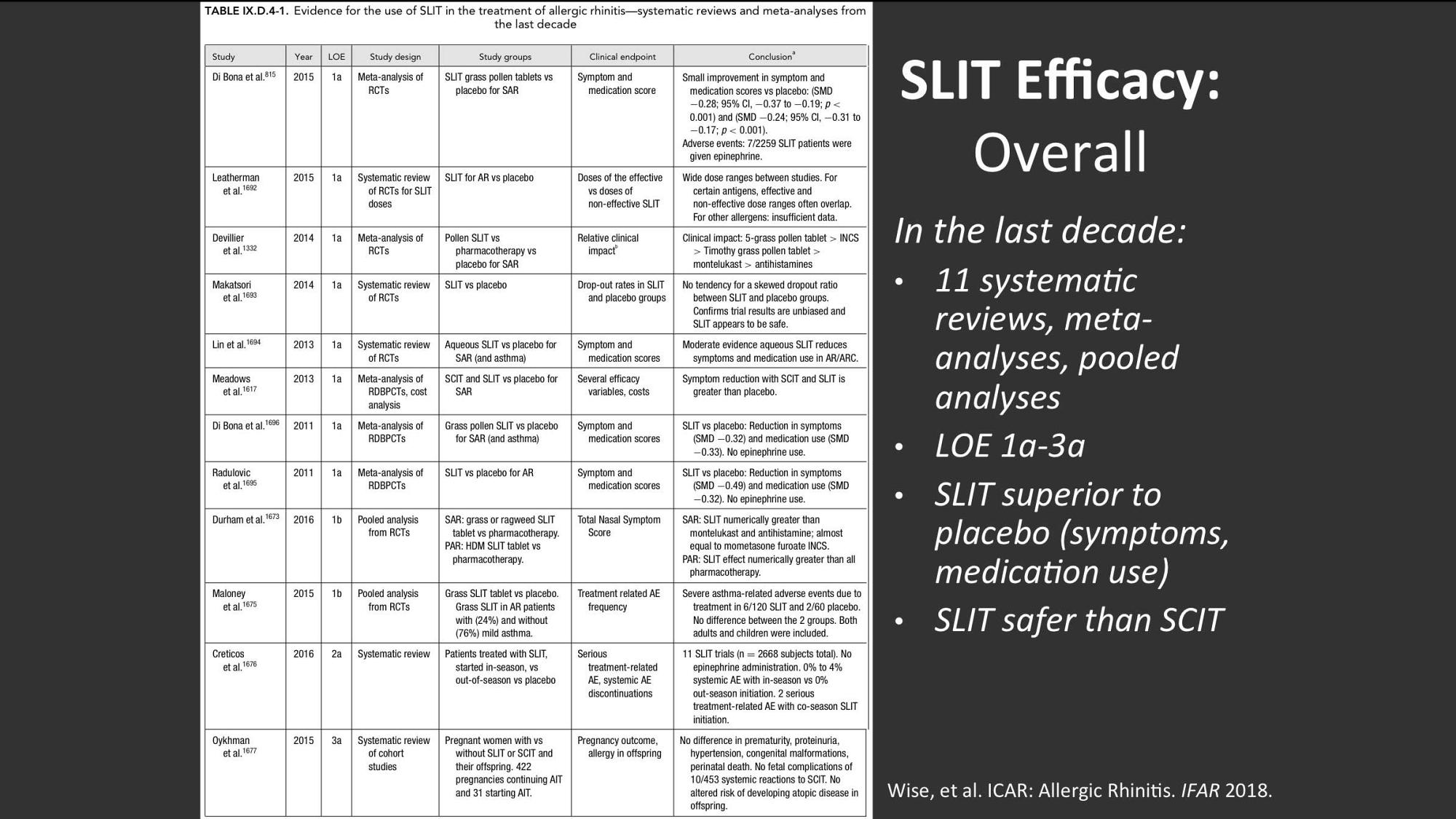
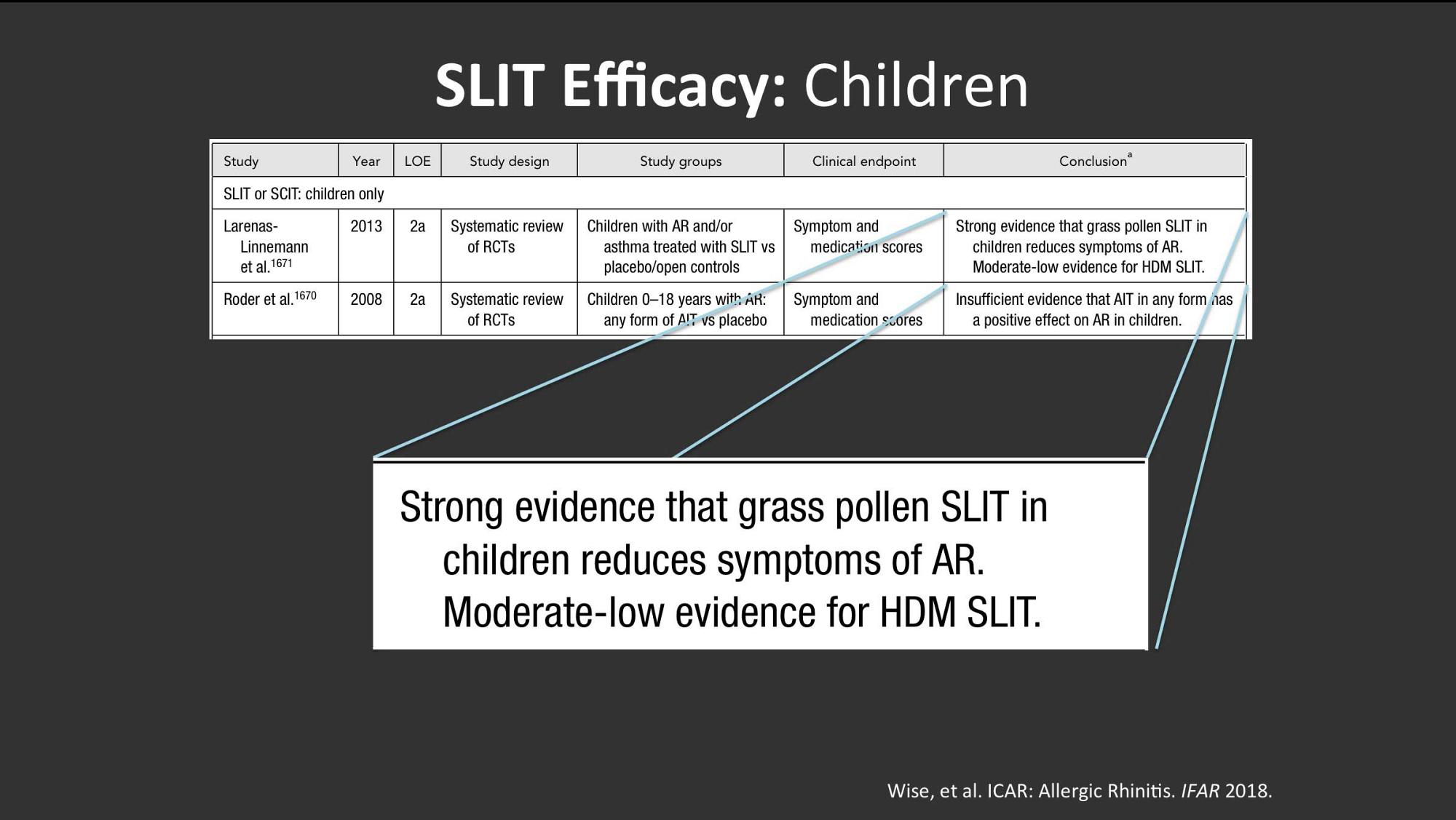
Studies have shown that this is a safe and effective method of treatment. SLIT is also safe in children and much easier for compliance than standard shots. It has also shown to safely decrease the symptoms of asthma and help patients decrease the use of inhalers and other “Rescue” drugs.

There is no single treatment for allergies but a combined approach of the above will help decrease your symptoms and can help improve your quality of life. SLIT can be safely administered to your children and help them breath better, sneeze less and even help control their asthma.

SLIT Efficacy document SLIT Efficacy for Children document

Am I a Candidate?

Allergy specialists at LA ENT recommend testing for patients who find that environmental triggers interfere with their daily productivity or those who wish to avoid a lifetime of pharmaceutical dependence. Ideal candidates include:

  • Adults and children over the age of five with confirmed allergic rhinitis or hay fever.
  • Individuals experiencing severe symptoms that do not respond to over-the-counter medications.
  • Those with documented nasal allergies triggered by animals, pet dander, or unavoidable environmental allergens.
  • Patients at risk for anaphylaxis or those whose allergies develop into chronic sinus infections or asthma.

During your initial consultation in Los Angeles, we will review your medical history and perform specific blood tests or skin testing to determine your exact triggers.

The Immunotherapy Procedure

The treatment is divided into two distinct phases: the Build-up Phase and the Maintenance Phase.

In the Build-up Phase, you will receive increasing doses of the allergens you are allergic to. If you opt for allergy shots (subcutaneous), these injections occur once or twice a week at our clinic. For those choosing sublingual immunotherapy, the medicine is administered as drops or tablets under the tongue, often in the comfort of your home after the initial dose. This phase typically lasts three to six months as the body begins to tolerate the exposure.

Once the effective dose is reached, you enter the Maintenance Phase. During this period, the frequency of allergy shots decreases to once every few weeks. This consistent, controlled contact ensures the immune system remains desensitized, preventing the swelling, hives, and itching typically associated with a reaction.

Recovery and Safety

There is no "downtime" required for allergy immunotherapy, though safety protocols are strictly followed. Following allergy shots, patients must remain in our office for 30 minutes. This is a standard precaution to ensure that if a severe allergic reaction or anaphylaxis occurs, immediate medical attention can be provided by our board-certified team.

Minor inflammation, itching, or swelling at the injection site is common and usually resolves within a few hours. For sublingual immunotherapy, minor itching in the mouth or a runny sensation in the nose may occur during the first few days of therapy but typically dissipates as the body adjusts to the substance.

Expected Results

While some patients notice a decrease in allergy symptoms during the build-up phase, the most significant results typically manifest within the first year of maintenance. Success is measured by a dramatic reduction in inflammation, clearer nasal passages, and the ability to avoid allergens without the onset of rashes or sneezing fits. To achieve permanent desensitization and ensure certain allergies do not return, our allergist and immunology team generally recommends continuing treatment for three to five years.

Frequently Asked Questions

Is immunotherapy the same as taking antihistamines?

No. Antihistamines are reactive; they block the chemicals your body produces during an allergic reaction. Immunotherapy is proactive; it retrains the immune system so those chemicals aren't released in the first place. It is the only allergy treatment that addresses the underlying cause of the immune system overreacting.

What is the difference between shots and sublingual immunotherapy?

Allergy shots are injections given in a clinical setting, while sublingual immunotherapy (SLIT) involves placing drops or tablets under the tongue. SLIT is often preferred by patients in Los Angeles with busy schedules, as it can be administered at home, whereas shots require regular office visits to our allergy specialists.

Can children undergo allergy treatment at LA ENT?

Yes. We frequently treat children for seasonal allergies and food sensitivities. Clinical research shows that starting immunotherapy early can stop the "allergic march," preventing children from developing further nasal allergies or asthma later in life.

What should I do if I experience a severe reaction at home?

While rare with sublingual immunotherapy, any signs of life-threatening symptoms, such as difficulty breathing, significant swelling of the throat, or anaphylaxis, require immediate medical attention. We provide all patients with a clear emergency protocol and, in some cases, a prescription for an epinephrine auto-injector as a safety measure.

Choose Your Preferred Los Angeles Location

Arcadia

488 E Santa Clara Street STE 202
Arcadia, CA 91006

Book Online Now

855-522-3682

Brentwood

11600 Wilshire Blvd
Ste 324
Los Angeles, CA 90025

Book Online Now

1-855-522-3682

Corona

1820 Fullerton Ave STE 115
Corona, CA 92881

Book Online Now

855-522-3682

Culver City

3280 Motor Ave Ste 220
Los Angeles, CA 90034

Book Online Now

855-522-3682

Downtown LA

1414 S Grand Ave
Suite 123
Los Angeles, CA 90015

Book Online Now

1-855-522-3682

East LA

1700 E. Cesar Chavez Ave
Suite 2500
Los Angeles, CA 90033

Book Online Now

1-855-522-3682

Glendale

1577 E. Chevy Chase Dr.
Suite 210
Glendale, CA 91206

Book Online Now

1-855-522-3682

Hawthorne

14650 Aviation Blvd, #100
Hawthorne, CA 90250

Book Online Now

1-855-522-3682

Hollywood

1300 N. Vermont Ave
Suite 605
Los Angeles, CA 90027

Book Online Now

1-855-522-3682

Huntington Park

3268 E. Gage Ave
Huntington Park, CA 90255

Book Online Now

1-855-522-3682

Inglewood

103 S Locust St
Inglewood, CA 90301

Book Online Now

1-855-522-3682

Long Beach

1045 Atlantic Ave STE 505
Long Beach, CA 90813

Book Online Now

855-522-3682

Lynwood

3737 Martin Luther King Blvd STE 403
Lynwood, CA 90262

Book Online Now

855-522-3682

Montebello

433 N. 4th Street
Suite 212
Montebello, CA 90640

Book Online Now

1-855-522-3682

Northridge

18546 Roscoe Blvd, STE 200
Northridge, CA 91324

Book Online Now

855-522-3682

Palmdale

41250 12th St West
Suite C
Palmdale, CA 93551

Book Online Now

1-855-522-3682

Palm Springs

1180 N Indian Canyon Dr
Suite E311
Palm Springs, CA 92262

Book Online Now

1-855-522-3682

Pasadena

800 Fairmount Ave, #411
Pasadena, CA 91105

Book Online Now

1-855-522-3682

Redlands

124 E Olive Ave
Redlands, CA 92373

Book Online Now

1-855-522-3682

Los Angeles Center for Ear, Nose, Throat and Allergy

Arcadia Brentwood Corona Culver City Downtown LA East LA Glendale Hawthorne Hollywood Huntington Park Inglewood Long Beach Lynwood Montebello Northridge Palmdale Palm Springs Pasadena Redlands